
Were you recently in a car accident? Maybe you walked away feeling okay, only to wake up the next morning barely able to turn your head. This is one of the most common stories I hear in the clinic.
A quick reminder: it’s common for symptoms to show up days, even weeks, after the crash, not right away.

A car accident is sudden and traumatic, and your body reacts before you even have time to think. The impact and rapid back and forth motion can lead to whiplash, sprains, strains, and a level of muscle tension your nervous system doesn’t always know how to release on its own. That tension is actually a survival reflex, your body bracing against danger, and it can take a long time to let go without support.
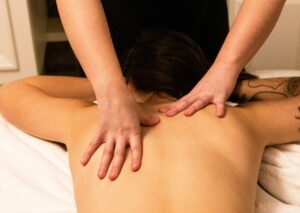
Massage invites your body out of fight or flight and into rest and digest, the state your parasympathetic nervous system needs to actually heal. The relaxation techniques used in massage therapy help you find a sense of safety in your body again, on top of the physical relief.
How massage supports your recovery
- Eases pain, stiffness, and muscle spasm
- Improves circulation, delivering oxygen and nutrients to injured tissue
- Restores flexibility and day to day movement
- Calms the nervous system, helping you shift out of fight or flight
- Accelerates healing of injured tissue
- Works well alongside chiropractic, acupuncture, and physical therapy
What to expect in the days after your accident
Recovery from an MVA rarely follows a straight line, so here’s a general sense of how the process tends to unfold.
Day one. The day of the accident is usually a blur of logistics: photos, insurance calls, filing a claim, and getting your adjuster’s information (the person who becomes your point of contact for the claim). If your injuries are severe, you may go straight to the hospital, and the paperwork simply has to wait. Either way, it’s common to feel shock in those first hours. Rest and limit physical activity as much as you can.
Once you have a claim number, you can access PIP. Personal Injury Protection (PIP) is built into Oregon auto insurance, and it’s available to you whether or not you were at fault. You can often access it the same day you file your claim, sometimes the same day as the accident itself.
Fill out an MVA report of findings. This documents your claim information and the symptoms you’re experiencing since the accident, and it becomes part of your care record.
The first two to three days, you’re running on adrenaline. Once that adrenaline wears off, it’s common to notice symptoms you weren’t aware of right after the crash. Pain can also worsen for up to two weeks following the accident, so don’t be surprised if day five feels worse than day one.
Keep a symptom journal. A simple note in your phone or a notebook works fine. Track how you’re feeling daily, what’s improving, what’s getting worse, and what seems to help or aggravate your symptoms. This information is genuinely useful both for your own recovery and for your care team.
When should you come in for massage?
Most patients are ready for massage once acute inflammation has settled, usually within the first few days to two weeks after the accident. The sooner you start, the better your chances of avoiding long term, chronic pain patterns. If you’re still swollen or sore, just communicate that clearly with your therapist so your session can be adjusted to your comfort level.
Getting care through your insurance (PIP)
Massage therapy does require a referral, which you can get from a physician, chiropractor, or acupuncturist. We highly recommend seeing our naturopathic physician for a full evaluation first, and our team will help guide you through the referral process and recommend the most appropriate treatments for you. There are no copays for PIP covered MVA visits, and in Oregon, you can typically use PIP for up to two years after your accident or until you have exhausted your available PIP funds.
Supporting your own healing
A few simple things can support your recovery between sessions:
- Cold packs to reduce inflammation
- Hot packs to ease muscle tension
- Grounding meditations
- A warm salt bath
- Staying hydrated and eating warm, nourishing meals
- A comfort show that helps your body and mind relax
- Time outdoors, even just standing barefoot in the grass or leaning your back against a tree
It is likely that recovery after a car accident will involve a lot of steps and a lot of conversations with a lot of people. Being present and pacing yourself through it will do wonders. Our experienced, compassionate team is here to support every part of your healing. Your road to healing starts here at Ikigai Wellness.