The Role of Hyperbaric Oxygen Therapy (HBOT)
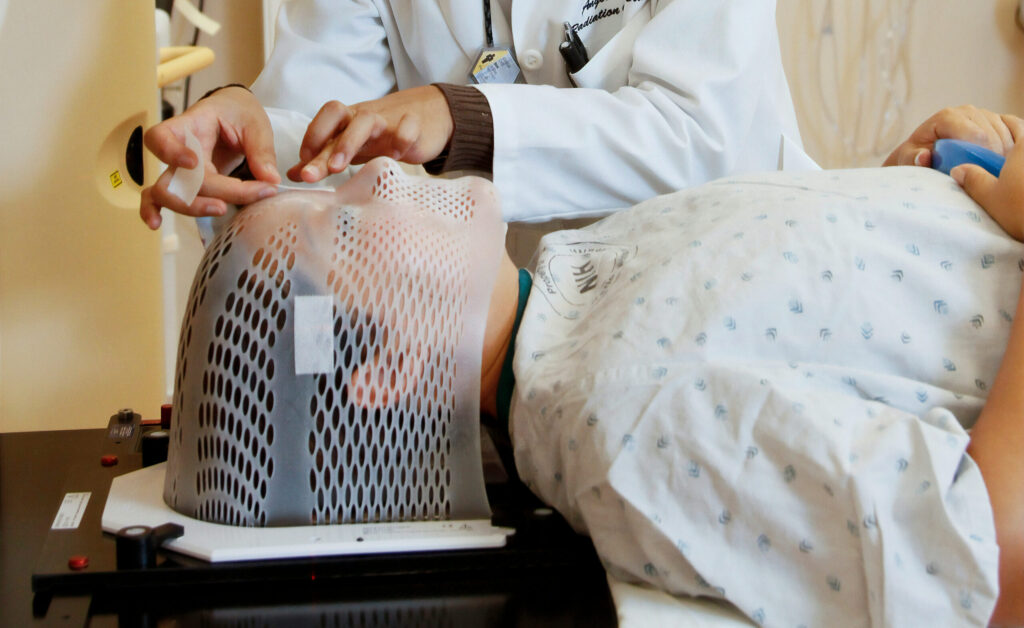
Radiation therapy is a cornerstone of cancer treatment—but it can also stress healthy tissues, leading to late radiation tissue injury (LRTI), impaired wound healing, chronic pain, and complications that affect quality of life. At Ikigai Wellness, we focus on integrating supportive modalities that enhance the body’s ability to heal alongside conventional cancer care, such as radiation therapy.
Why Oxygen Matters in Radiation Healing
Radiation can damage small blood vessels and reduce perfusion (blood flow) to healthy tissue, leading to hypoxia (low oxygen) and poor healing. Adequate oxygen is essential for:
- Collagen synthesis
- Angiogenesis (new blood vessel formation)
- Immune cell function
- Fibroblast proliferation
- Overall wound repair
HBOT increases the amount of dissolved oxygen in plasma and delivered to tissues—potentially overcoming the vascular deficits created by radiation.[1]
What the Research Says
1. Improved Healing in Radiation-Injured Tissue
Research reviews and randomized clinical studies indicate HBOT may help improve outcomes for chronic radiation injuries affecting bone and soft tissues—particularly in the head, neck, bladder, and rectum. Evidence suggests:
- Improved soft tissue healing and reduced wound failure after surgery in irradiated areas.
- Decreased risk of wound dehiscence (wound edges pulling apart) following head and neck surgery in irradiated fields.
- Potential reductions in pain and symptom severity related to late radiation tissue injuries (LRTI).
These findings come from randomized and controlled trials, though total participant numbers are modest and evidence strength ranges from low to moderate certainty. [2]
2. Prevention of Osteoradionecrosis and Dental Wound Complications
Osteoradionecrosis (ORN) is a known complication of radiation to the jaw that can lead to painful, non-healing bone exposure. HBOT has been used to:
- Support prevention and improve healing after dental extractions in irradiated bone.
- Reduce the risk of exposed necrotic bone when dental surgery is performed after radiation. [3]
The Undersea & Hyperbaric Medical Society (UHMS) recognizes HBOT’s role as an adjunct in managing osteoradionecrosis and impaired postoperative wound healing in irradiated fields.
3. Symptom Improvement in Specific Radiation Conditions
In systematic reviews and meta-analyses:
- Radiation-induced hemorrhagic cystitis symptoms improved significantly with HBOT, with about 55% of patients reaching remission of hematuria after treatment. [4]
- HBOT shows promise in chronic wounds following radiation for sarcomas, with many patients showing clinically improved healing and reduced pain. [5]
Can HBOT Prevent Radiation Wounds?
Current evidence does not conclusively show that HBOT prevents radiation wounds before they occur. Most research focuses on treatment of established or delayed radiation injury, rather than prophylactic use.
However, by supporting oxygen delivery, circulation, and tissue resilience, HBOT may help reduce the severity or persistence of tissue damage, particularly when used thoughtfully during recovery phases and coordinated with medical care.
More research is needed to define optimal timing, pressure levels, and protocols—especially for mild hyperbaric systems.
Safety and Clinical Integration
HBOT is generally well-tolerated, but it is a medical intervention with potential side effects, including barotrauma (pressure injury to ears or sinuses) and temporary visual changes—risks that appear in clinical studies.
At Ikigai Wellness, we emphasize collaborative care with oncology, surgical, or wound care teams to ensure HBOT is well-coordinated and aligned with each person’s unique treatment timeline. Our protocols are individualized based on functional status, treatment goals, and medical history. HBOT is an effective adjunctive therapy and not a modality to be used in place of medical treatment.
Integrative Support That Complements Healing
Alongside HBOT, our integrative oncology support services—such as acupuncture, nutritional medicine, gentle manual therapies, and stress regulation interventions—aim to enhance overall recovery, immune function, and quality of life.
HBOT may be particularly valuable:
- When standard wound healing is delayed after radiation therapy
- In surgical sites previously exposed to radiation
- For chronic radiation tissue symptoms affecting function or comfort
By supporting oxygen delivery and cellular repair, HBOT can be a strategic part of a broader healing plan that values resilience and long-term wellness.
Final Thoughts
Radiation therapy saves lives—but healing does not end when treatment stops. Supporting tissue recovery, circulation, and resilience is a vital part of long-term wellness.
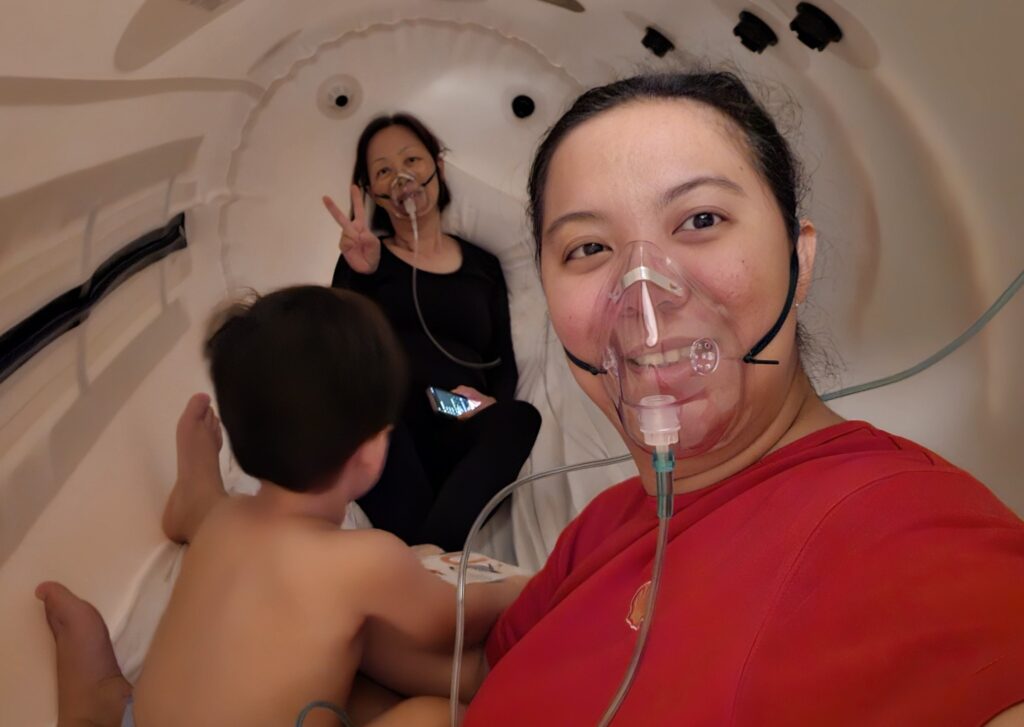
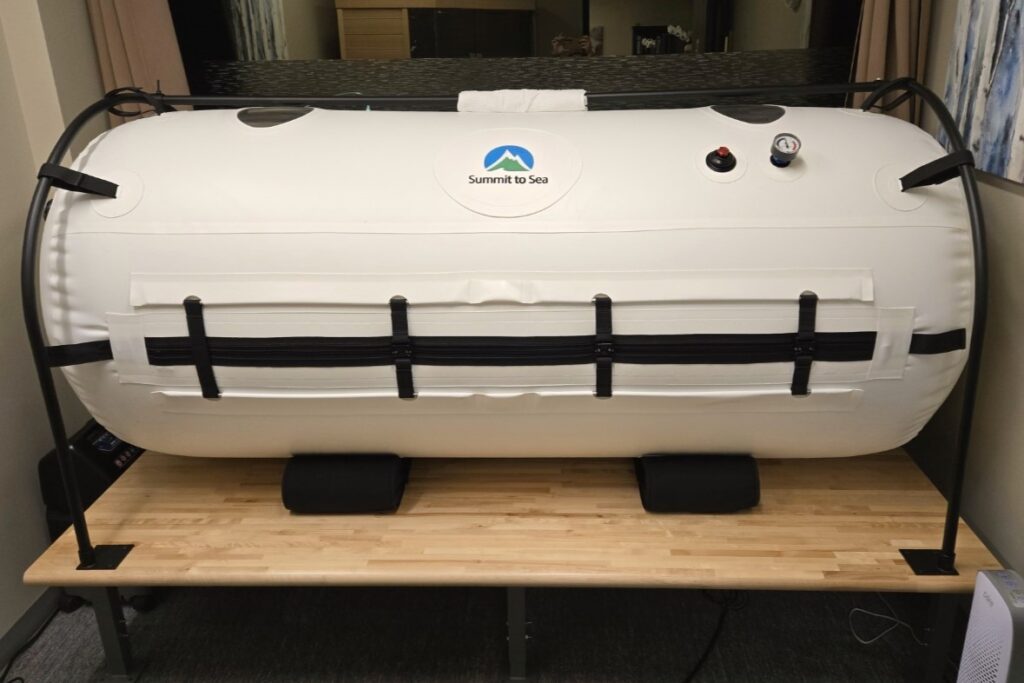
Mild hyperbaric oxygen therapy, as offered at Ikigai Wellness, provides a gentle, non-invasive way to enhance oxygen availability and support the body’s natural repair processes when used appropriately and collaboratively.
If you are recovering from radiation therapy or managing long-term radiation effects, we encourage you to schedule a consult to explore whether HBOT may be a supportive addition to your care plan.
Citations:
[1] https://pubmed.ncbi.nlm.nih.gov/23162231/
[3] https://pubmed.ncbi.nlm.nih.gov/27123955/