
CRANIOSACRAL THERAPY
What is craniosacral therapy?
Craniosacral Therapy (CST) is a gentle, non-invasive manual therapy used to treat symptoms related to pain, mood and emotional trauma.

Using very light touch, CST works with the rhythm of cerebrospinal fluid to encourage the body’s own self-healing process. This rhythm, known as the craniosacral rhythm, can be felt throughout the entire body, making CST a holistic approach to treatment for a variety of ailments. The practitioner addresses imbalances in the craniosacral system, creating a ripple effect to other places in the body- much like the ripples created by a pebble in the water. This is done by gently manipulating the bones and tissue of the head, neck, and sacrum, although it can be done from anywhere on the body.
While some people experience immediate relief, others can feel changes hours, days, or even weeks following a session. It can take some time for changes to integrate and this is variable from person to person.
What does it treat?
Because Craniosacral Therapy is like hitting the “reset” button on your nervous system, it can treat a wide variety of symptoms. Some common ones are:
- headaches & migraines
- recovery from concussion and other traumatic brain injuries
- TMJ (jaw) disorders
- chronic pain anywhere in the body
- sleep disorders
- stress, anxiety & depression
- emotional traumas
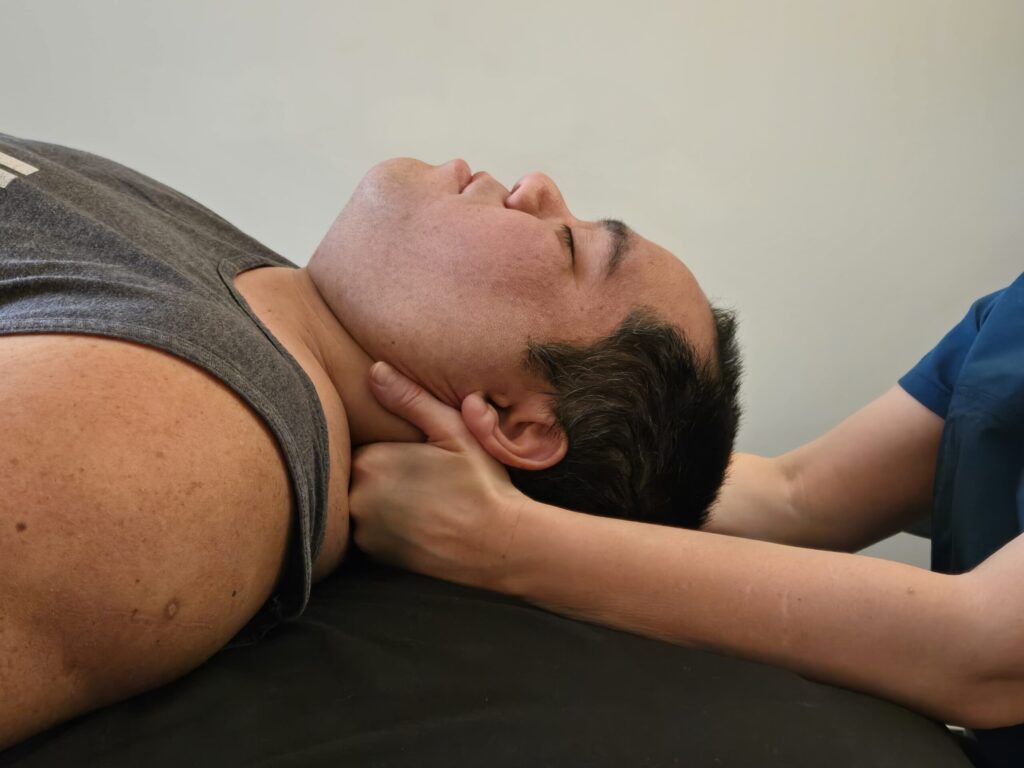
What to expect
BEFORE YOUR SESSION
You don’t need to wear anything in particular for a CST session, although loose, comfortable clothing is encouraged. Unlike massage, there is no need to access the skin so you can remain fully clothed. The practitioner will do an assessment to listen for places in the body where movement is restricted, then facilitate release.
AFTER YOUR SESSION
After a session, it is common to feel relaxed, sleepy, or hungry. It is encouraged to eat something before and after to allow your body to sleep as much as it wants to, if time allows. This helps boost the effects of the session and encourage the work to integrate.